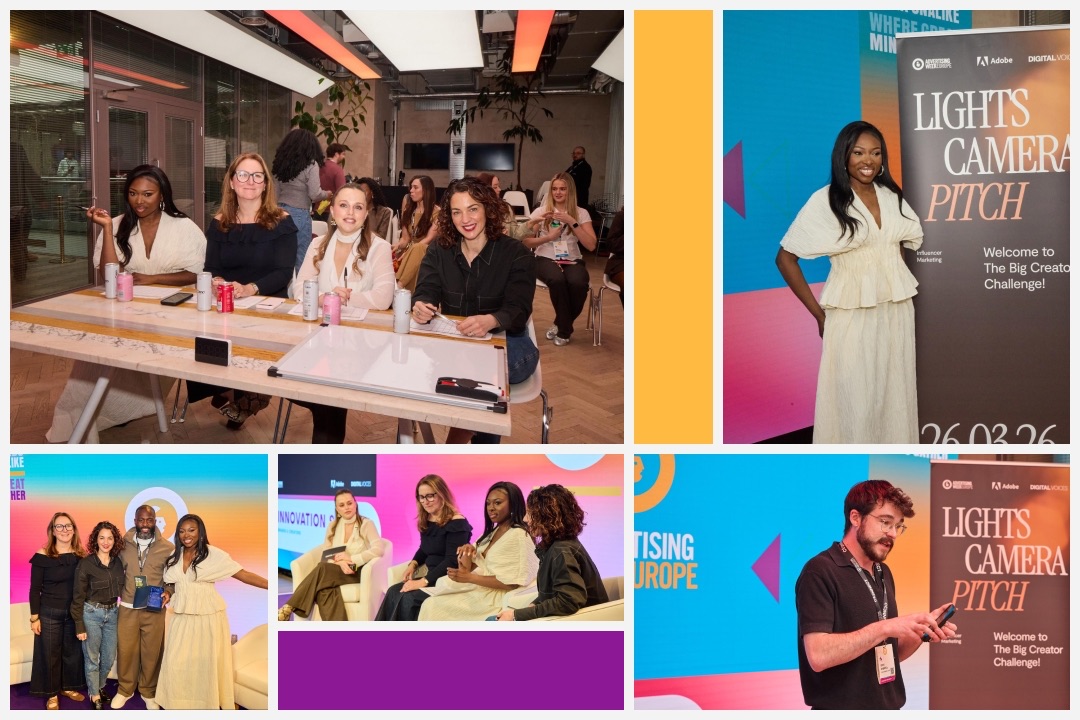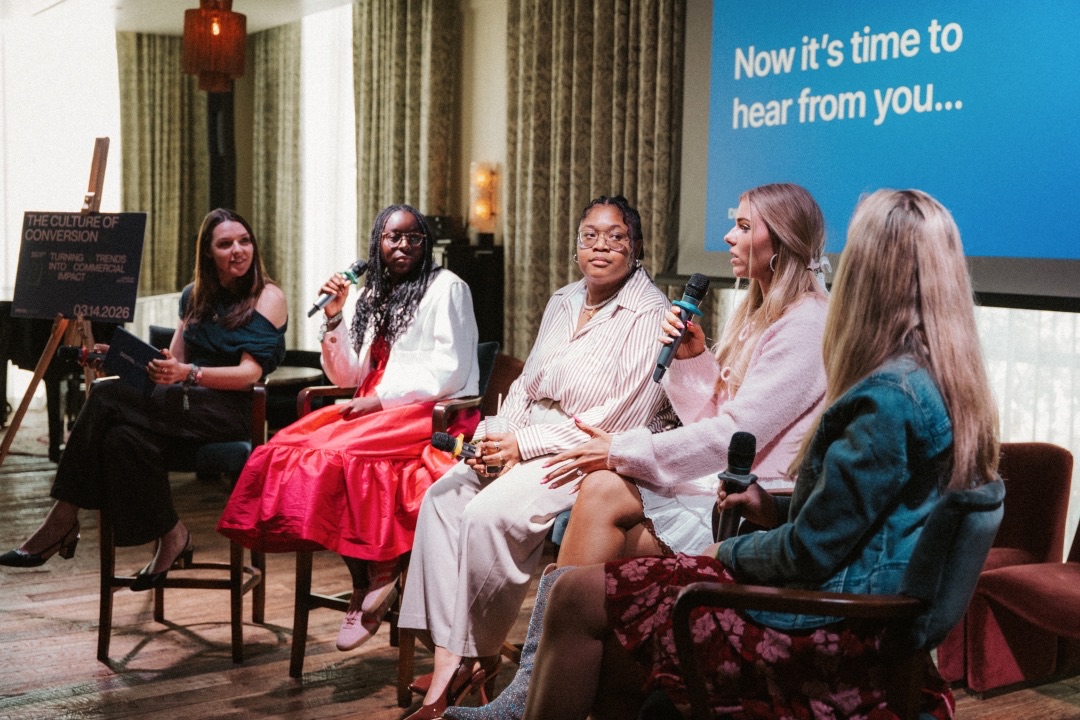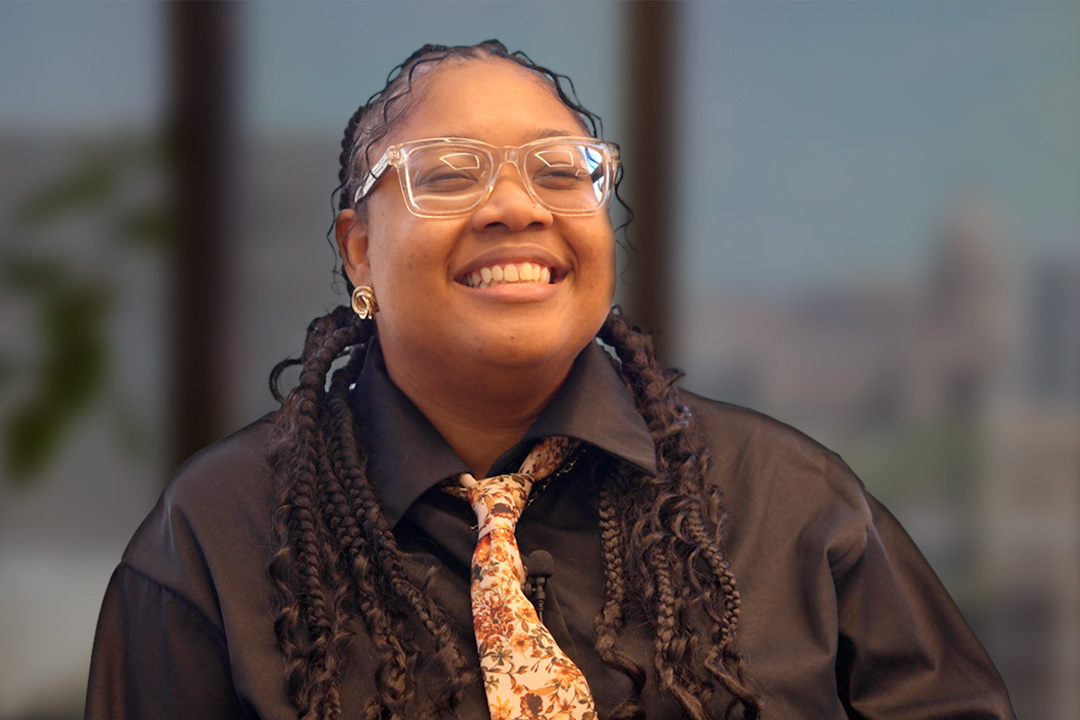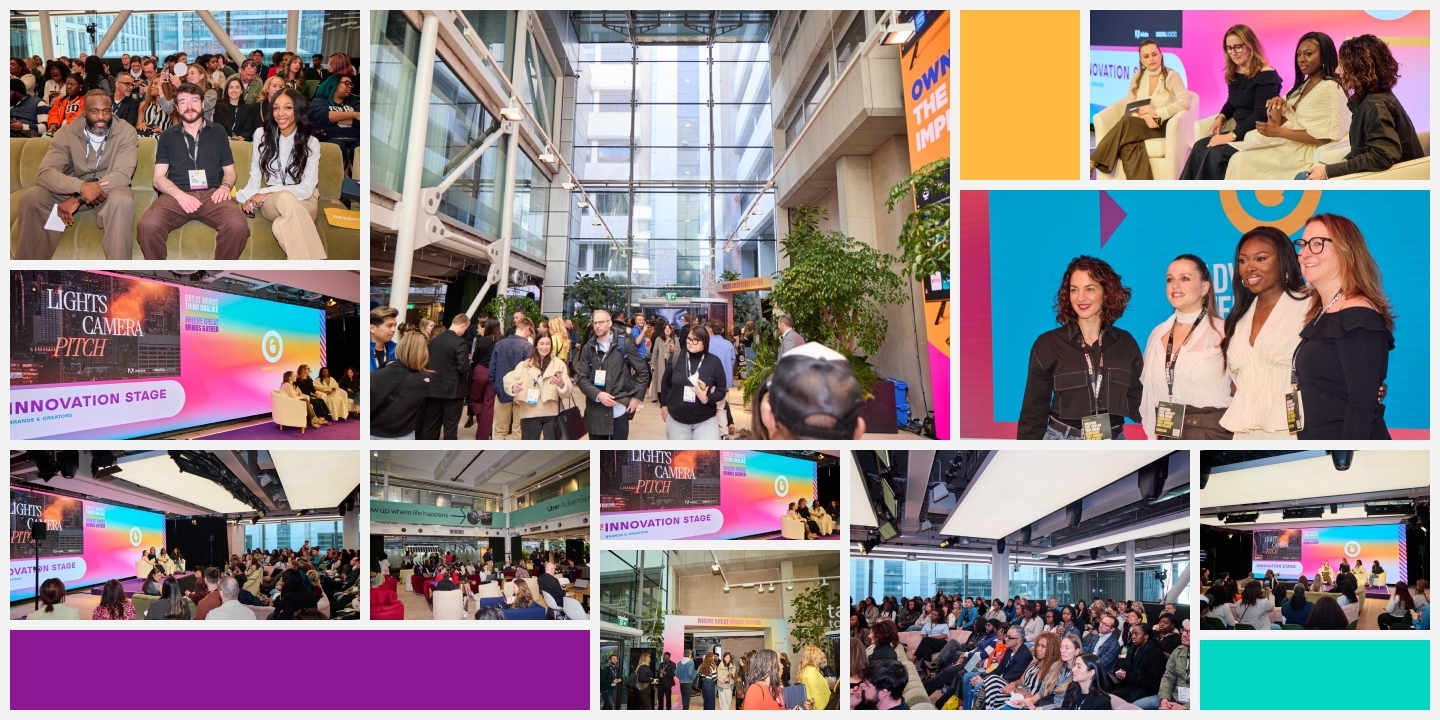

Advertising Week Europe has always been the hub of the industry. Brands, agencies, platforms, and creators step back from the day-to-day and look at where things are really heading.
Events like this surface trends and patterns early. You hear the same themes echoed across different rooms, from different voices, and that’s usually a solid sign of what's to come.
This year, the key theme was that growth isn’t coming from chasing virality. It’s coming from craft, connection, and communities.
Here’s what stood out from the sessions:
Content creator Mo, aka The Airport Guy, offered one of the clearest examples of how creator content is evolving. His content is built around his genuine expertise and personal passion for aviation and engineering with a very specific audience in mind: his 16-year-old self. He produces the kind of content that would have helped him understand his career path earlier as opposed to quick-win viral trends.
When Mo asked a room full of apprentices whether his content had influenced their career decisions, over half said yes. That’s proof of his real-world impact.
Creators are at the heart of media, entertainment, and culture, but it can’t be underestimated how they are also shaping decisions, identities, and even career paths. This level of influence comes from trust that is built over time, and should be a message to brands that it’s important to look beyond macro-influencers in the mainstream spotlight.
Ethan Payne (Behzinga), 1/7 of content creator group the Sidemen, reinforced the value of community. He implored brands to recognize that community needs to be the foundation of everything you do, it’s not a guaranteed byproduct.
The Sidemen have built an audience that feels like they’re part of the group – often described as the “8th friend.” That sense of inclusion changes how content is received. Their recommendations feel like word-of-mouth rather than marketing.
The Sidemen’s success and established community is because they’re true entrepreneurs. Their content entertains and inspires, but they ensure everything runs operationally. Their ideas are tested, iterated, and scaled quickly, without the friction of traditional production models. Their big-brother style show Inside went from concept to YouTube in a matter of months – a timeline that would stretch far longer in traditional media – and is now a No.1 show on Netflix in the UK and the US.
Influencer Marketing enables low-cost testing, rapid iteration, and informed scaling which is a stark contrast to traditional media models that require significant upfront investment with less room to adapt.
One of the more honest conversations at the event debated the answer to a difficult question: can brands buy cultural relevance? The consensus leaned towards no, at least not in the way it’s often approached.
Cultural relevance comes from understanding real human behavior like how people live, what they care about, and how a brand fits naturally into their world. Crucially, that connection has to be anchored in the product itself.
Garnier showed this through campaigns grounded in real skincare needs – like SPF education for Black British audiences – delivered through culturally aligned channels such as music and community events. The brand partnered with London DJ, DJAG, on a three stop inclusive SPF activation across the UK to generate hype around the campaign. Their work ties cultural insight directly back to product benefits, rather than treating culture as a surface-level layer.
Proper Snacks approached it differently, reframing snacking as part of a balanced, wellness-oriented lifestyle. Their message is built into their packaging, positioning, and the overall product experience.
In both cases, cultural relevance is a long term goal rather than a one off campaign. Culture is something that shows up in brand sentiment, community engagement, and how naturally a brand fits into everyday conversations.
For brands like Ninja and e.l.f., their community is part of their product development process.
Ninja Creami has embraced a creator mindset, letting fans shape the narrative. From “unhinged” recipes to turning comments into viral moments, the brand is co-creating alongside its audience. Take their collaboration with Rapping Chef for example. He tasked his audience to come up with the best Ninja Creami recipe to be in with the chance of winning their own machine.
e.l.f. takes it one step further. Social listening directly informs product development, they gather demand signals from TikTok Live streams – hosted by the brand’s CEO – to influence what gets made next.
This also changes how marketing itself is approached.
e.l.f. positions as an entertainment brand, leaning into humor, absurdity, and community participation. Their focus is on attracting comments, contributions, and cultural participation.
It’s easy to ignore the mass of content that is on our feeds, so creating opportunities for your audience members to become a part of your brands means participation is a deliberate choice.
Across all these examples it’s clear that an active participation amongst brands communities is becoming a strong success indicator.
Views can be passive. Engagement can be shallow. But when audiences choose to contribute – whether that’s creating content, influencing products, or changing their behavior – that’s when your customers become loyal advocates.
Reach out at hello@digitalvoices.com if you want to chat more about the trend signals we’ve been spotting.