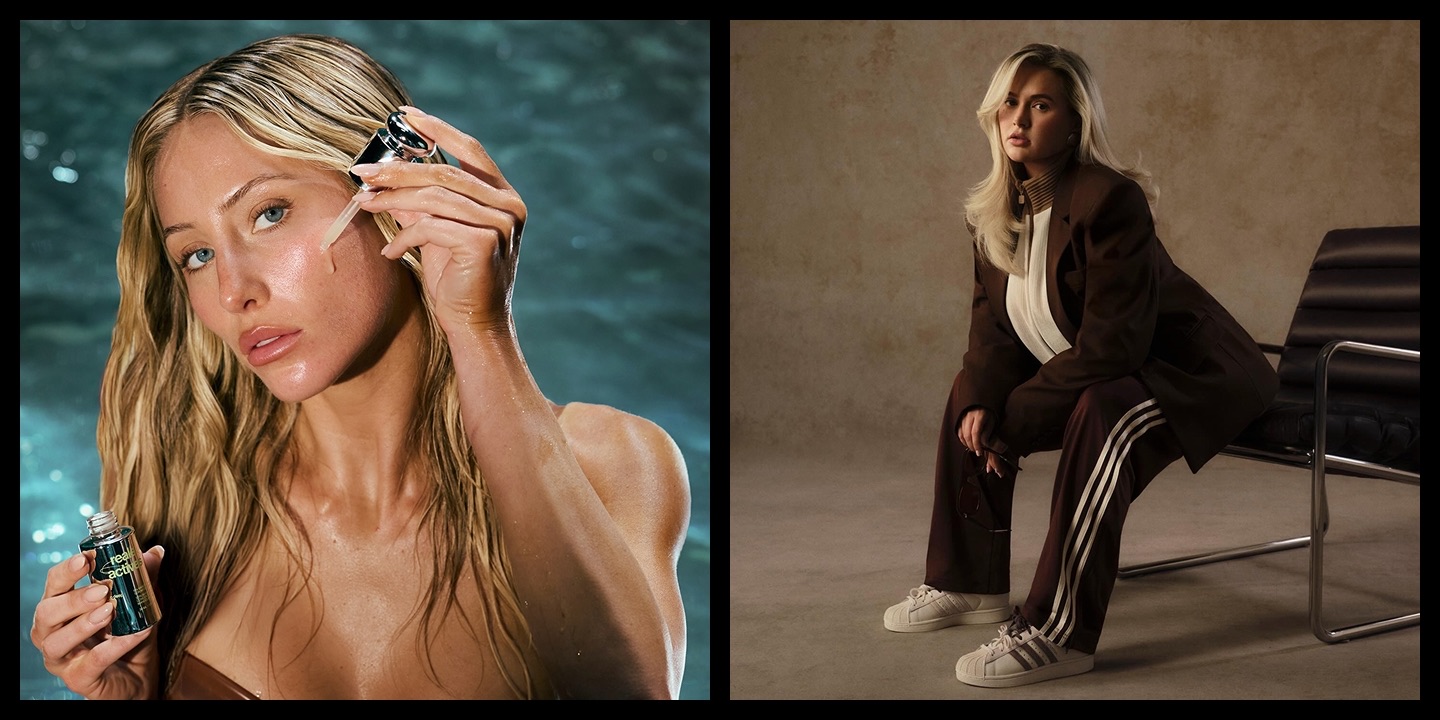

Molly-Mae Hague and Alix Earle sit at the top of the influencer economy in the UK and the US.
Their impact stretches far beyond social media. They’ve launched brands, built cult audiences, sold out products within hours, and even landed their own shows on Prime Video (Molly-Mae: Behind it All) and Netflix (Alix Earle’s unscripted series, yet to be released).
Whether people celebrate them or criticise them, their success is undeniable.
This year, both have made major moves into product launches – generating immense hype, and, inevitably, debate and backlash.
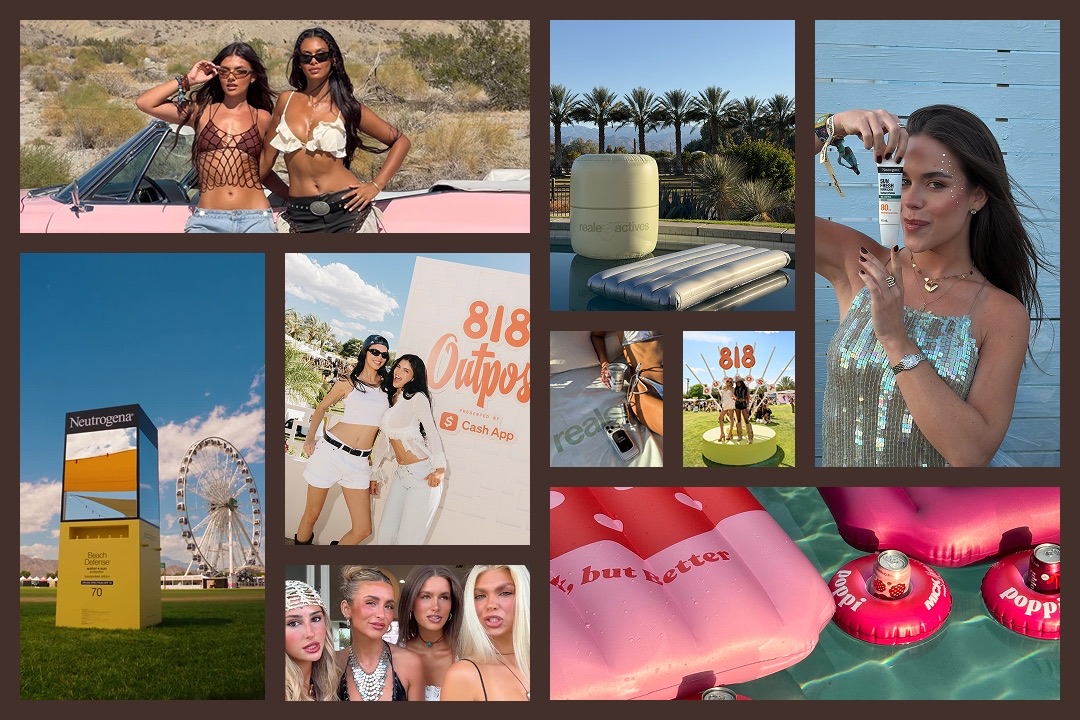
Alix Earle’s skincare brand, Reale Actives, launched with a bang in March 2026 after weeks of teasing an upcoming project via social media and OOH advertising.
Alix’s audience has watched her openly document her skin struggles for years. That transparency builds trust, and trust drives conversion.
Reale Actives hit $1 million in sales in under five minutes. By mid-afternoon on launch day, it had crossed $5 million. By 4pm, it was completely sold out. This week, they're showing up at Coachella with the first ever "Casa Reale".
This is shaping up to be one of the most successful celebrity beauty launches to date, but calling it a “celebrity” brand almost misses the point.
Alix is a creator first. Creator-led businesses are outperforming traditional celebrity brands because the audience relationship is fundamentally different. Celebrities have fans yet creators build communities. There’s a sense of participation and followers feel like they’ve been part of the journey from the beginning.
That said, the launch hasn’t been without criticism. Some audiences have pointed out that the products aren’t the ones Alix originally used to treat her acne, raising questions about authenticity and whether followers are buying into a narrative rather than proven results. Alix was quick to respond to the backlash with videos diving deeper into her skin journey.
It’s a reminder that while trust is a creator’s biggest asset, it’s also the quickest thing to be challenged.
Molly-Mae x Adidas
Molly-Mae Hague has become a core style reference for Gen Z and Millennial women in the UK. Her own brand, Maebe, regularly sells out, and her influence on consumer behaviour is well established since she started her YouTube channel in 2016, then featured on Love Island in 2019.
After teasing her “biggest partnership yet” for nearly a year, she announced a footwear collaboration with Adidas earlier this spring. The reaction has been mostly positive, but has also sparked criticism.
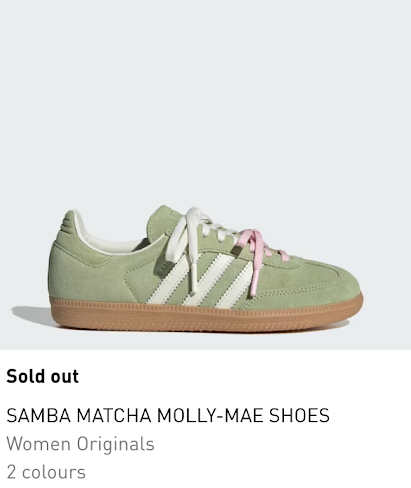
Molly-Mae brings significant UK visibility, aligning with Adidas’ “global brand, local mindset” strategy. The shoe designs reflect her aesthetic. The beige/brown SUPERSTAR shoe is inspired by her love for neutral clothing and daily iced lattes – which she consistently shows in her content. The pale green SAMBA is for Molly-Mae’s “matcha girlies” – she knows her non-coffee drinking fans love a matcha, and the colorway also aligns with the rising trend of pistachio in food and in clothing. These design choices make the collaboration feel considered rather than superficial – especially as Molly is regularly spotted in similar designs from the brand.
The SAMBA Matcha Molly-Mae Shoes and the SUPERSTAR II Latte Molly-Mae Shoes sold out within two hours of release on launch day. This contradicts those questioning whether Adidas’ audience would buy into a collaboration with a lifestyle influencer.
Not everyone shared a the same positive outlook when Molly-Mae announced this career shaping collaboration. Critics were concerned that because Adidas is, at its core, a sport-driven brand, leaning too heavily into lifestyle and celebrity collaborations risks diluting that identity. The initial design process was featured on Molly’s Prime Video show, addressing some of the initial backlash about the brand fit.
It can’t be denied that partnership may attract a more transactional audience – consumers who are buying into Molly-Mae rather than Adidas itself. That isn’t inherently negative, but it does shift the brand dynamic.
At the heart of both launches is the same truth: the product isn’t the primary driver, the creator is.
While some debate whether certain designs – like Molly’s “matcha” colourway – align with her personal style, the demand still exists because her name is attached.
The same applies to Alix Earle. Her audience isn’t just purchasing skincare, they’re investing in her story, her recommendations, and the relationship they feel they have with her.
Both launches highlight the evolving power of creators in today’s market.
Alix Earle’s brand shows how community-driven trust can translate into record-breaking sales. Years of unfiltered content, consistency, and audience intimacy mean her recommendations carry real weight. Molly-Mae’s Adidas partnership demonstrates how creators can unlock new audiences and cultural relevance for legacy brands, driven by a carefully curated personal brand and an ability to consistently shape trends rather than follow them.
What sets both apart isn’t just the scale of their followings, but clarity of identity and depth of connection. They’ve built audiences who believe, engage, and convert.
For creators, this is the height of ownership and influence. For brands, it’s a clear signal that the future of product development and collaboration lies with influencers who have strong positioning and communities that actively trust them.
Want to chat about aligning your brand with a creator partner? Reach out at hello@digitalvoices.com.