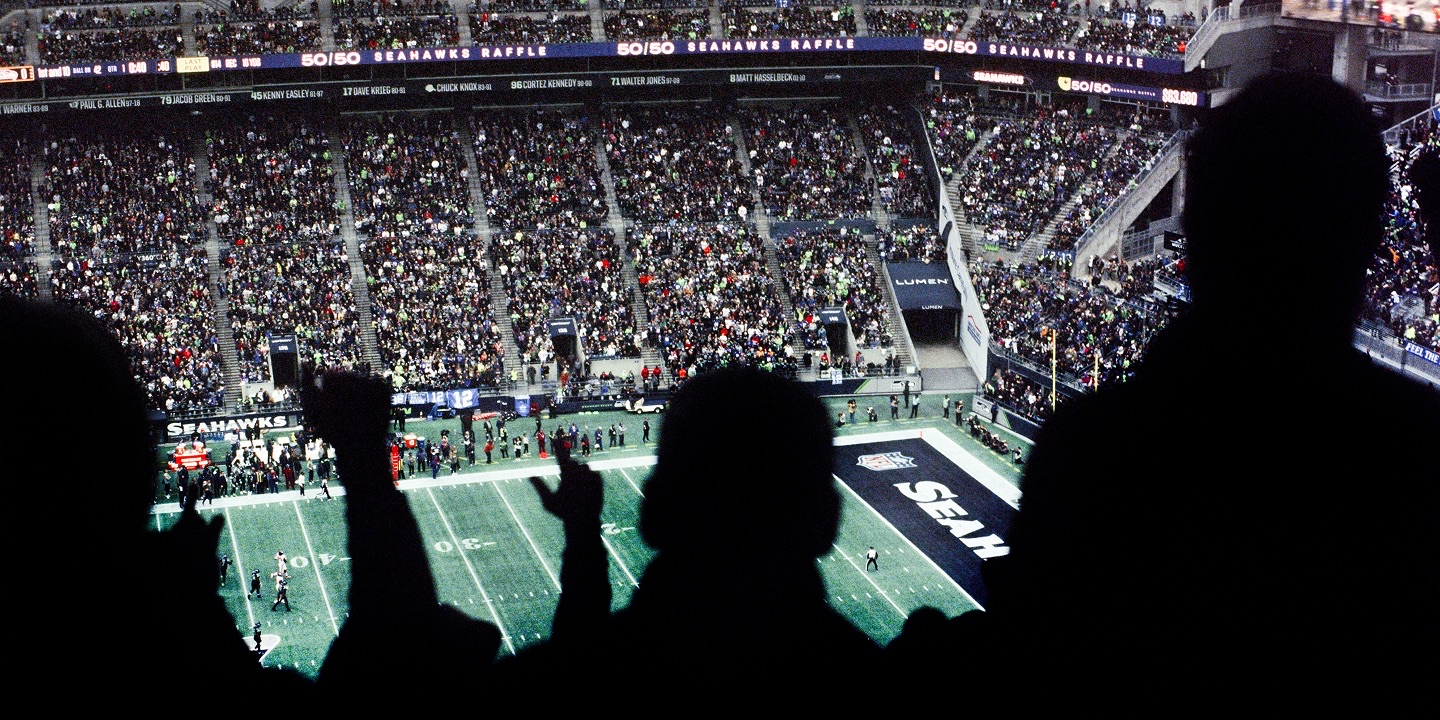

Super Bowl advertising has long been the pinnacle of brand storytelling.
A 30-second slot could define a company’s legacy, directly embedding it in culture.
2026 is different. Some of the world’s biggest and most recognizable brands are stepping away from the most expensive stage.
A single 30-second Super Bowl ad now costs around $7 million, before production, talent fees, and distribution are even factored in. This is a staggering financial commitment, and one that’s increasingly difficult to justify as media becomes more fragmented.
Viewers are now split across streaming platforms, social feeds, second screens, and OOH ads. The idea that one ad, on one night, can deliver outsized cultural impact is starting to feel… optimistic.
Nike’s relationship with the Super Bowl has always been selective but powerful. Their 2025 spot, “So Win,” placed women’s sport at the centre of one of the most male-dominated broadcasts of the year. It was a clear statement about where the brand sees the future of sport.
This year, Nike is stepping back from Super Bowl advertising. Instead, the brand is said to be redirecting significant investment toward global football (soccer) ahead of the 2026 World Cup. This re-focus makes sense from a strategy perspective. A multi-month, international sporting moment offers sustained storytelling opportunities that outlast a single Sunday night.
Nike isn’t the only brand redirecting. For the first time in 37 years, Budweiser will not advertise during the game, and Coca-Cola and Hyundai are also opting out of sponsorship.
These brands are all household names with decades of equity. It’s not reach they need, so they can afford to question whether the Super Bowl still delivers enough return.
Major brands stepping away from their Super Bowl slot doesn’t signal the death of great advertising, but it does suggest the decline of the one-off spectacle as a fail-safe strategy.
For the same $7 million, a brand could:
Relevance beats reach in 2026.
The Super Bowl has built a legacy as a place for unexpected celebrity cameos and bold storytelling. The ads and halftime show arguably gain more traction than the football game itself. However, brands are asking whether those moments actually translate into sustained connection with their audience.
Influencer-led and community-driven marketing does offer that sustainability. It’s less about who can shout the loudest and more about who can show up consistently by making smart decisions.
The future looks less like a single $7 million splurge and more like thousands of smaller partnerships and activations happening all year long.
Let’s chat about how your brand can get cultural marketing right. Reach out to us at hello@digitalvoices.com.