YouTube is the most-watched streaming service in the world.
Its viewership outperforms Netflix and Disney+ in total watch time and accounts for over 13% of all TV viewing. It’s also the number one platform for podcast consumption.
The platform should not be an afterthought in your marketing strategy.
The best way to make sure influencers are at the heart of your brand's media strategy is to work with a Google-approved influencer marketing agency (IMA).
Digital Voices is proud to be part of Google’s IMA program, recognized for our expertise in creator-led advertising and branded YouTube content across the UK and US.
Over the last few years, we have worked closely in partnership with Google to produce content for global brand clients. Our focus has been on Creator Paid Ads, which means producing content people already want to watch from their favorite creators, amplified with the precision targeting of paid media.
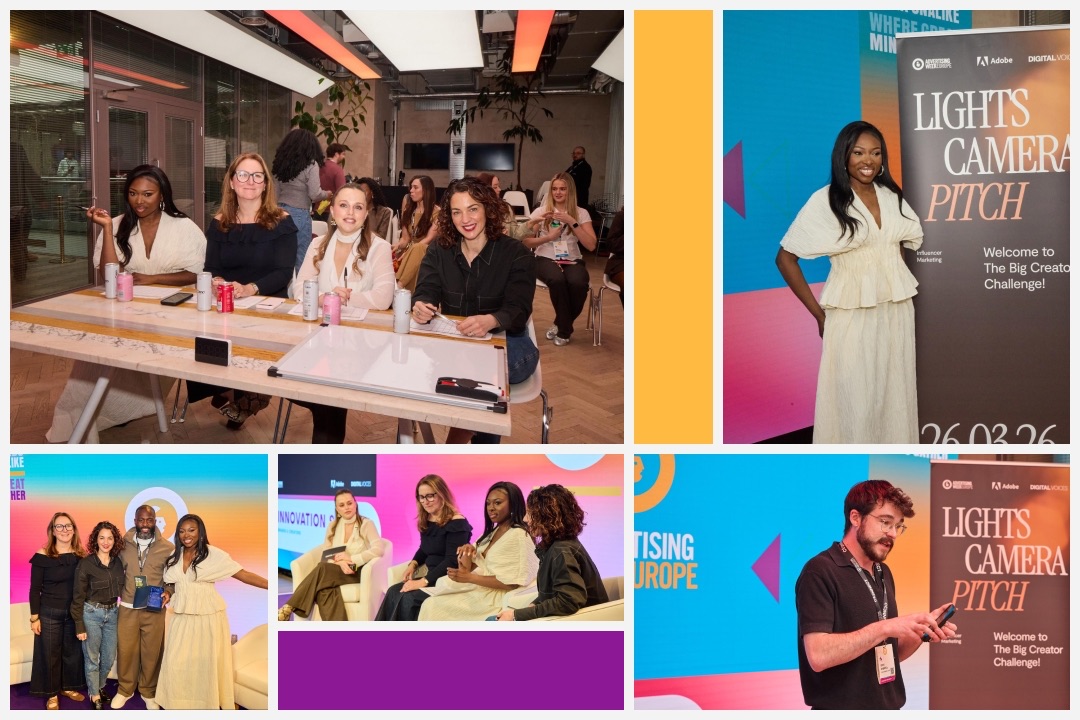
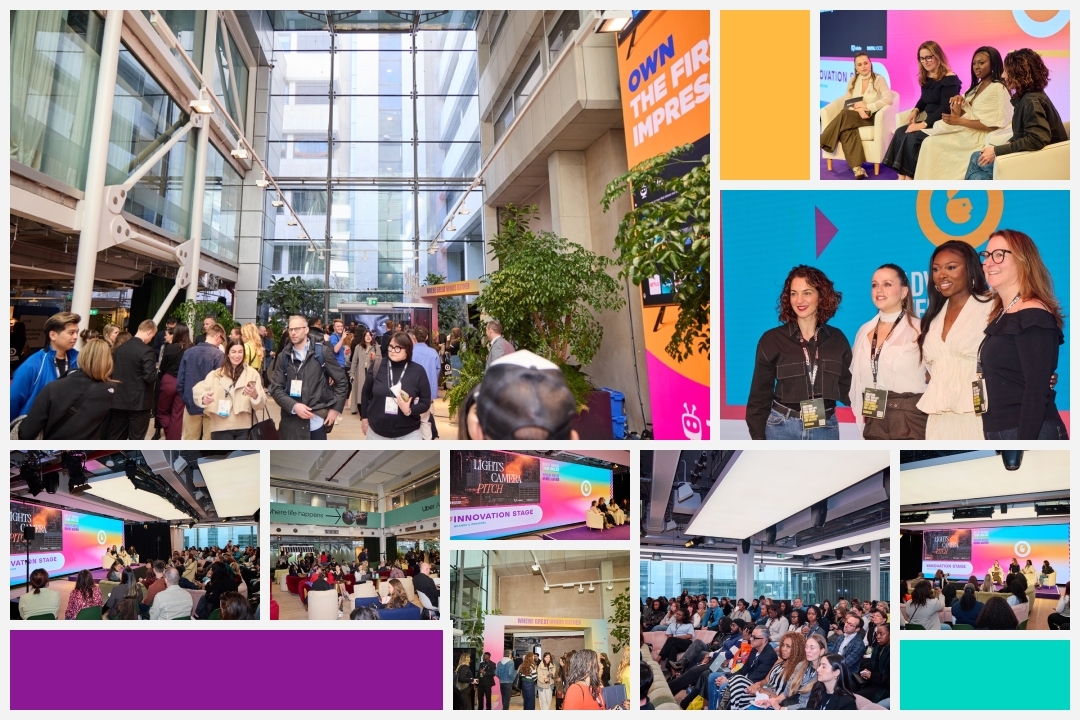
We spoke to some of the brands that are already reaping the benefits of producing Creator Paid Ad campaigns in partnership with Digital Voices and Google at our event “Partnerships Unlocked: Mastering Influencer Marketing on YouTube.
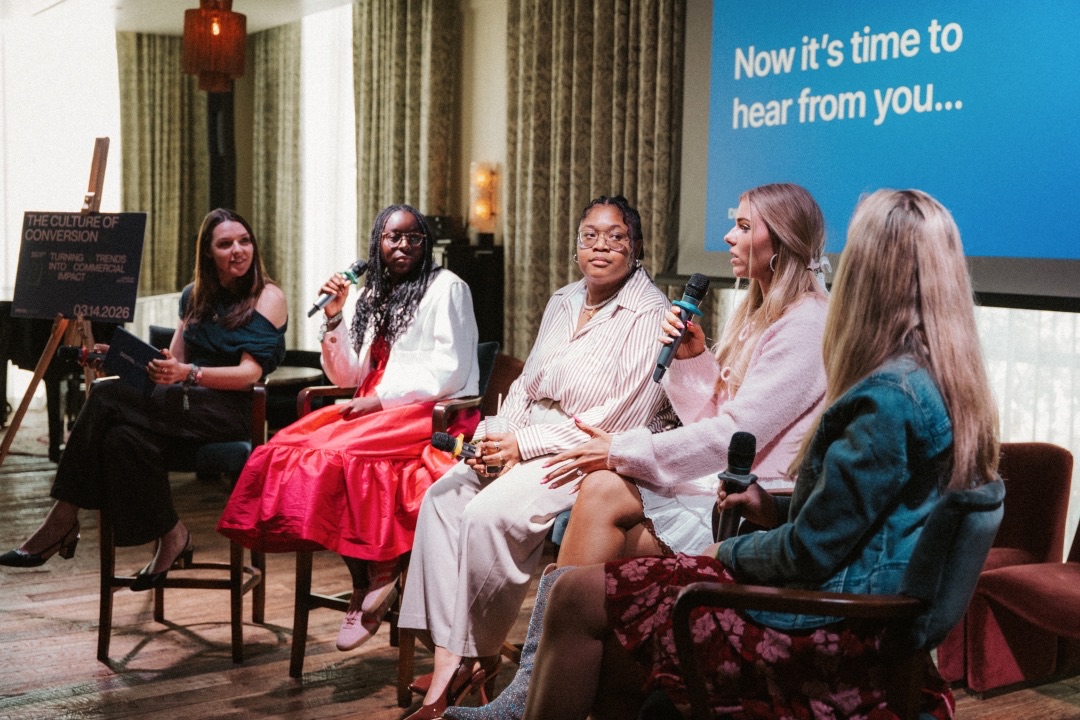
We also welcomed a panel of YouTube-first creators to share their experiences and insights with brands on how to get the most out of their creator partnerships on the platform.
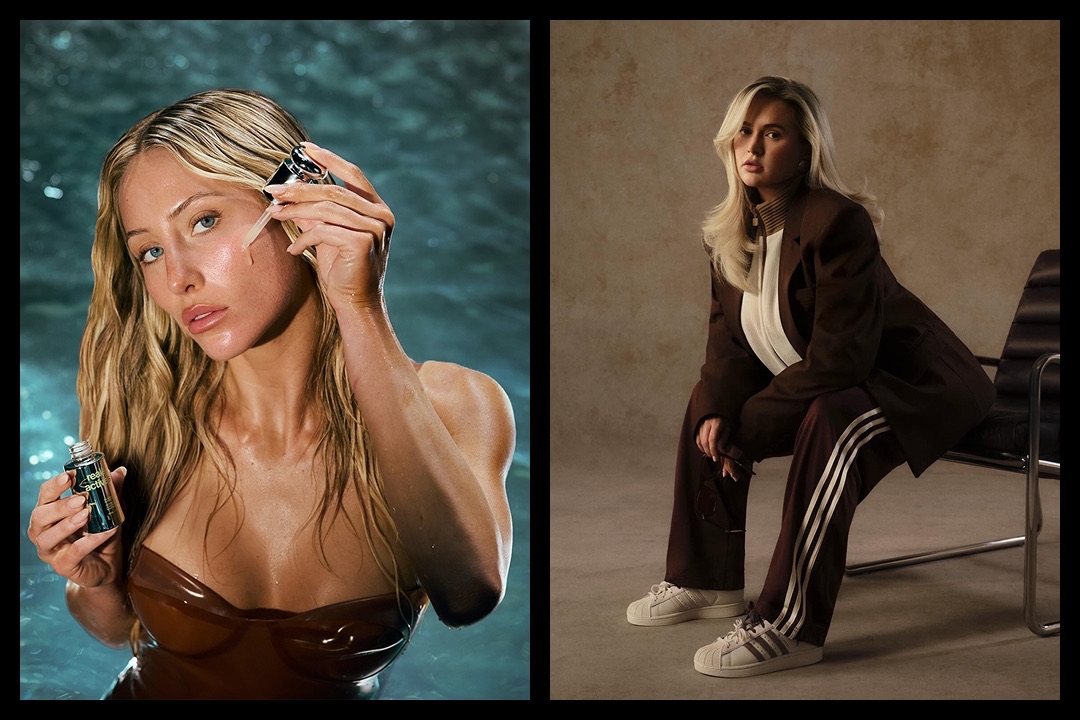
Our creator panelists – Konstantin, Freya Loren, Amy Cheah, and Luke Catleugh – all have unique experiences with YouTube. Brands are always grateful to gain feedback from creators in person about how to strengthen their partnerships, and this is what they had to say.
All of the creators highlighted that YouTube allows them to build a highly engaged community. This is because consumers choose the channels they subscribe to and watch intentionally, rather than scrolling quickly through an algorithmic feed.
It was eye-opening that creators spoke a lot about the viewership analytics that YouTube provides. They’re seeing an increase in the percentage of viewers who are watching content on home televisions rather than just mobile devices. This shift makes creators feel that the effort they put into high-quality production is being fully appreciated.
Freya started her YouTube posting Shorts and later branched out to posting long-form. She said that using YouTube Shorts can be an effective way to lead audiences with shorter attention spans into long-form content. By cutting long-form videos into digestible shorts, creators can gradually increase their audience's retention for longer videos.
The biggest tip for brands when shaping a creator campaign brief is to make the objective of the campaign clear from the very beginning. This ensures that creators can shape their approach to creation based on the targets the brand wants to hit.
Overly long, complex briefs with too many "tick boxes" can be overwhelming and may not align well with a creator's style. Creators know their audiences best and should be given the freedom to deliver messaging in their own voice. However, creators are open to producing ads that will run purely as paid content, which requires a different mindset than organic integrations. These ads must be snappier and have a very clear, immediate "hook" to prevent viewers from scrolling past. It makes sense for these ads to appear more “scripted”, as they’re posted from the brands’ channels in ad slots.
It became clear that creators and brands both benefit from long-term collaborations. These partnerships build audience trust through consistent brand presence and provide creators with the financial stability to focus on high-quality content. It’s crucial to choose creators whose content and values naturally align with the brand to ensure the audience actively engages with the campaign.
Digital Voices’ Chief Client Officer, Georgia Goodwin, was joined by Matt Reed, Brand & Campaigns Lead at Domino’s, Clare Phillips, Director of Social EMEA for Adobe, and Nisha Mathews, Creative Business Lead at YouTube, to discuss the commercial impact of Influencer Marketing on YouTube.
Both brands shared that creator-led advertisements on YouTube consistently outperform traditional brand assets in engagement and view-through rates. For instance, Adobe saw a 20% increase in subscription sales through creator ads compared to standard studio assets.
The greatest success comes when YouTube is treated as a core marketing pillar rather than an experimental platform, serving every stage of the funnel from awareness to conversion. Brands can use multiple formats on YouTube depending on their goals and the content they’re delivering.
The most successful approach often involves a mix of both high-production brand ads and authentic creator-led content running in rotation. Aim for content that balances what the audience wants, what the creator wants to produce, and how the brand wants to be perceived.
Having already seen success with Influencer Marketing on YouTube, Domino’s and Adobe advised the brand attendees to invest time in creating highly specific briefs that clearly define brand objectives while allowing creators the space to be themselves.
Robust measurement is also essential to prove the value of Creator Paid Ads to your CMO or CFO. Using brand lift studies and detailed metrics to demonstrate the true impact on brand perception and sales to justify continued investment. Providing your agency with access to your Google Analytics is essential for optimal tracking.
Want to learn more about Creator Paid Ads and how to master your Influencer Marketing on YouTube? Reach out to us at hello@digitalvoices.com.